Get Residential Trim Installation
Residential trim installation services help property owners improve interior and exterior aesthetics by replacing or adding moldings, baseboards, crown molding, and door or window casings.
Property owners considering residential trim installation often seek to enhance the aesthetic appeal and overall value of their homes. Whether planning a renovation, updating outdated features, or completing a new construction project, choosing the right service provider can make a significant difference in achieving a polished, professional result. Exploring local contractor options allows property owners to compare expertise and find experienced professionals equipped to handle a variety of trim installation needs, ensuring the project aligns with their vision.
Keeping informed about available local services can help property owners make well-informed decisions as they plan their projects. By reviewing options from trusted local contractors, individuals can identify providers with the skills and experience necessary to deliver quality work. Continuing to explore this page can provide helpful insights and connections to qualified service providers ready to assist with residential trim installation projects.
- Baseboard and Crown Molding Installation - homeowners may need this work when updating or enhancing interior decor.
- Door and Window Trim Replacement - property owners might seek this service during renovations or to improve curb appeal.
- Custom Wall Paneling and Wainscoting - clients may want this work to add architectural interest or to update a room’s style.
- Fireplace Mantel and Surround Trim - individuals might require this service when upgrading or restoring a fireplace feature.
- Interior Trim Repair and Patching - residents may need this work to address damage or prepare spaces for painting and finishing.



Residential trim installation services involve adding decorative and functional moldings, baseboards, crown moldings, door and window casings, and other trim elements to enhance the appearance and finish of interior spaces. These services typically include measuring, cutting, fitting, and securing trim pieces to walls, ceilings, doors, and windows. Skilled contractors focus on achieving clean, precise lines and a polished look that complements the overall style of the home. Whether updating existing trim or installing new accents, professionals ensure the finished work improves both the aesthetic appeal and the value of a residence.
This service helps address common problems such as damaged or outdated trim that can detract from a home's appearance. Over time, trim can become worn, chipped, or warped, leading to a less cohesive interior design. Installing new trim can also cover imperfections or gaps in walls and around doorways, creating a more uniform and refined look. Additionally, adding decorative moldings can help define different areas within a room, making spaces feel more polished and well-designed. For homeowners seeking to refresh or upgrade their interiors, residential trim installation offers a practical solution.
Properties that typically utilize trim installation services include single-family homes, townhouses, condominiums, and multi-family residences. These services are often sought during renovations, remodeling projects, or new construction to improve the interior finish. Homes with older trim that has become damaged or outdated may benefit from replacement, while new builds or extensions often require the installation of custom or standard trim elements. Whether aiming for a traditional, modern, or transitional style, local contractors can provide the expertise needed to match the trim work to the home's overall design.
Homeowners who notice gaps, uneven edges, or a lack of decorative detail in their interiors may consider residential trim installation. This service is also useful when upgrading from plain drywall finishes to more detailed moldings or when repairing damage caused by moisture, pests, or general wear and tear. Properly installed trim can significantly improve the visual appeal of a space, making it look more finished and inviting. Contacting experienced local service providers ensures that the work is completed with attention to detail, helping to achieve a professional and attractive result.
The overview below groups typical Residential Trim Installation projects into broad ranges so you can see how smaller, mid-sized, and larger jobs often compare in your area.
In many markets, a large share of routine jobs stays in the lower and middle ranges, while only a smaller percentage of projects moves into the highest bands when the work is more complex or site conditions are harder than average.
Smaller Repairs - Most minor trim repairs or replacements typically cost between $250 and $600. These projects usually involve replacing small sections or fixing damaged trim and are common for routine maintenance. Prices can vary based on trim material and the extent of work needed.
Mid-Range Installations - Full installation of new trim in a room or small area generally falls within the $600-$1,500 range. Many local contractors handle these projects regularly, with costs influenced by trim style and room size. Larger or more detailed work can push costs higher.
Full Replacement Projects - Replacing all trim throughout a home or a large section can range from $1,500 to $3,500. These projects are less frequent but involve more labor and material costs, especially with custom or high-end trim options.
Larger, Complex Jobs - Extensive or high-end trim installations, such as crown molding or custom designs, can reach $5,000 or more. These projects are less common and often involve detailed craftsmanship, which increases overall costs.
Actual totals will depend on details like access to the work area, the scope of the project, and the materials selected, so use these as general starting points rather than exact figures.
Crown Molding Installation - local contractors skilled in precise measurements and detailed finishing work can handle crown molding projects that require similar carpentry and planning skills.
Baseboard and Wainscoting Installation - professionals experienced in trim work can also install baseboards and wainscoting, utilizing comparable tools and techniques for a polished look.
Door and Window Casing Installation - service providers familiar with trim details can efficiently install casings around doors and windows, requiring similar carpentry expertise.
Interior Wall Paneling - local pros capable of installing decorative wall panels share skills in measuring, cutting, and finishing trim elements for interior design projects.
Custom Shelving and Built-ins - carpentry-focused contractors can create custom shelving units and built-ins, involving planning and precise installation of trim components.
Fireplace Mantel and Surrounds - experts in trim and carpentry can also install mantels and surrounds, utilizing similar tools and craftsmanship for seamless integration.
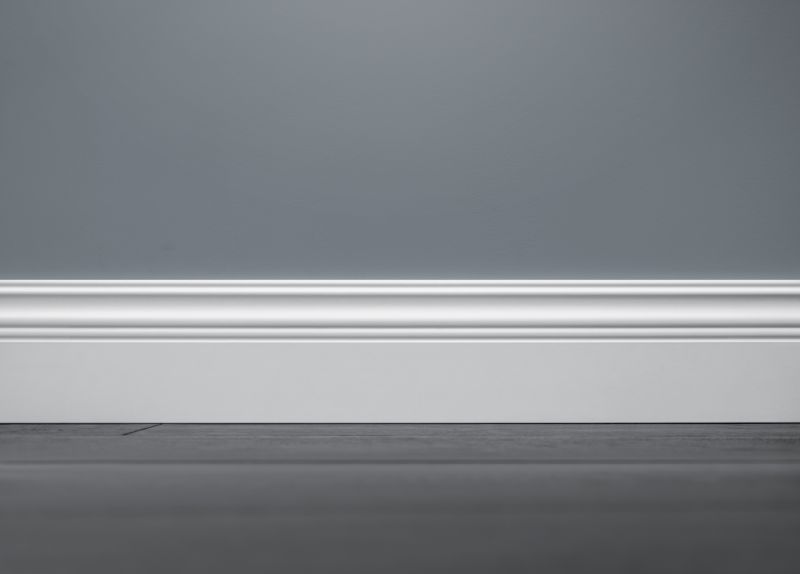
When comparing service providers for residential trim installation, it’s important to consider their experience with similar projects. Homeowners should look for local contractors who have a proven track record of completing trim work comparable in scope and style to what is needed. Reviewing the types of projects they have handled can provide insight into their expertise and familiarity with specific materials or design preferences. An experienced professional is more likely to understand the nuances of trim installation, ensuring a polished and lasting result.
Clear, written expectations are essential when evaluating local pros. Homeowners should seek providers who can offer detailed estimates and scope of work that outline the services included, materials used, and any potential additional costs. Having this information in writing helps prevent misunderstandings and provides a basis for comparison. Transparent communication about project specifics allows homeowners to assess whether a contractor’s approach aligns with their vision and needs.
Reputable references and good communication are key factors in selecting a reliable service provider. Homeowners are encouraged to ask local contractors for references from previous clients with similar projects. Speaking with past customers can reveal insights into the contractor’s professionalism, reliability, and quality of work. Additionally, effective communication-whether through prompt responses, clear explanations, or willingness to address questions-helps ensure a smooth project process. Remember, the site introduces homeowners to local options capable of handling the work, but the actual installation is performed by trusted local contractors, not the site itself.
Property owners use Residential Trim Installation services for practical projects around their homes and businesses. This guide focuses on everyday jobs and straightforward project options.
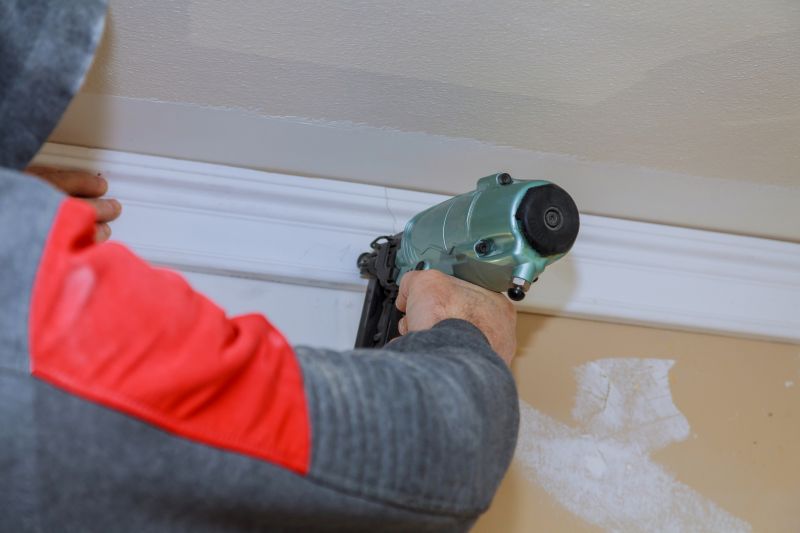
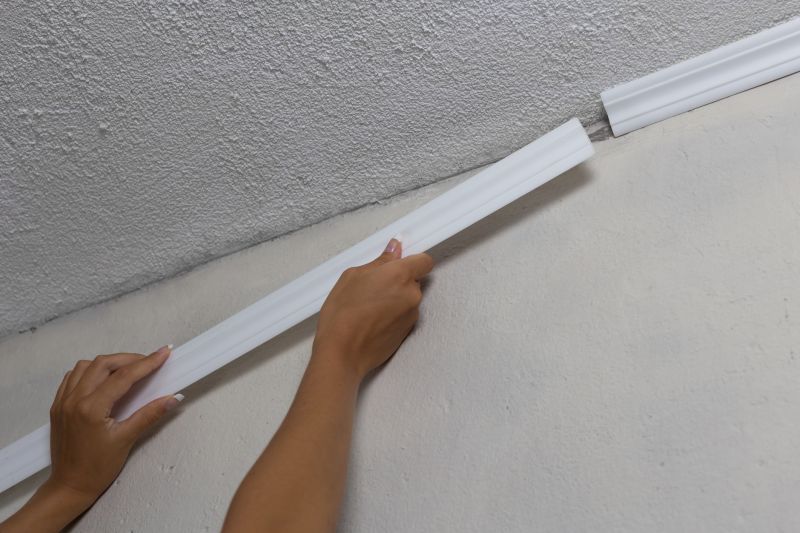
Residential trim installation services are often sought after when property owners notice damaged, outdated, or missing trim around doors, windows, or along walls. Homeowners may also look for these services during renovations or remodeling projects to enhance the interior or exterior appearance of their property. Local contractors can provide the expertise needed to install, replace, or upgrade trim to improve the overall aesthetic and value of a home.
In addition, property owners might seek trim installation when preparing a house for sale, aiming to give it a fresh, polished look that appeals to buyers. Whether addressing wear and tear or updating a style, local service providers are available to handle a variety of trim projects, helping homeowners achieve a clean and finished look that complements their property's design.
What types of residential trim installation services are available? Local contractors typically offer installation of baseboards, crown molding, door and window casings, wainscoting, and decorative trims to enhance interior spaces.
How do I know which trim styles suit my home? Service providers can help assess your home's interior style and recommend trim options that complement your existing decor and architectural features.
What materials are commonly used for residential trim installation? Common materials include wood, MDF, PVC, and composite trims, selected based on durability, appearance, and suitability for different rooms.
Can residential trim installation be combined with other interior upgrades? Yes, many local contractors offer services that can be coordinated with painting, wall treatments, or other interior finishing projects.
What preparation is needed before installing new trim? Typically, existing trim and surfaces should be cleared or protected, and any damage or uneven areas should be repaired to ensure a smooth installation process.
Interior Trim Updates - Enhance the look of living rooms or bedrooms by installing new crown molding, baseboards, or wainscoting with the help of local contractors.
Custom Door and Window Casings - Improve door and window frames for a more polished appearance or better insulation, using services from nearby pros.
Bathroom and Kitchen Trim - Add decorative or functional trim around cabinets, mirrors, or fixtures to complete a finished look in key areas of the home.
Exterior Trim Repairs - Maintain or restore the appearance of siding, soffits, and fascia with the assistance of local service providers.
If you are thinking about Residential Trim Installation for a property, this guide is meant to help you understand the work, the typical project types, and how different options might fit your plans.
When you are ready, you can use the quote form on this page to share a few details about your project. From there, local pros can review the basics and respond with options that match what you have in mind.